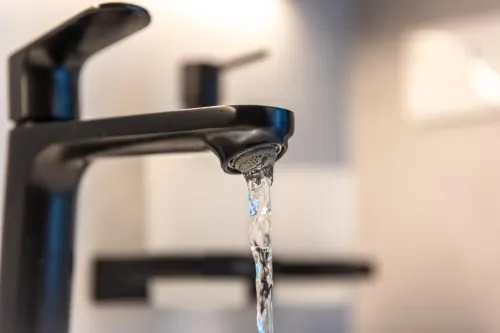
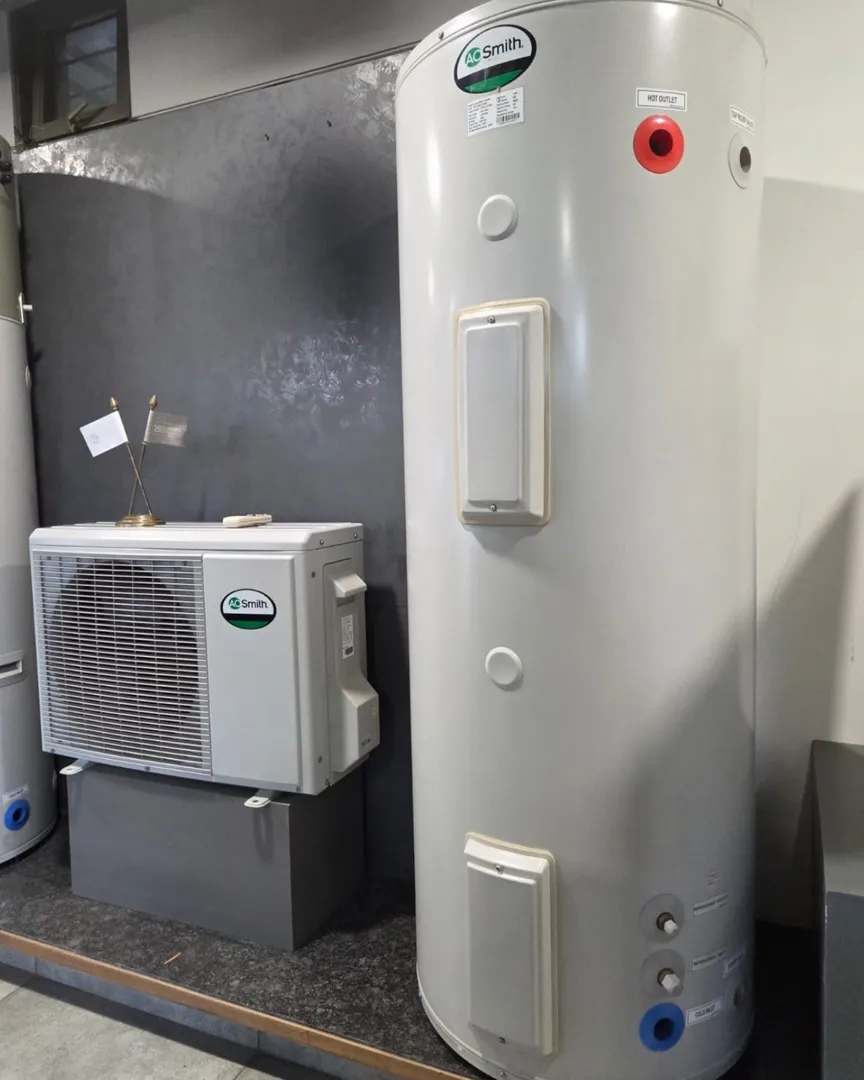
Reliable hot water is essential for many commercial and institutional facilities. Hotels, hospitals, educational campuses, gyms, manufacturing units, and residential complexes all require a dependable system that can deliver hot water consistently while keeping operating costs under control. This is why many project planners consider AO Smith Heat Pumps as an energy-efficient alternative to conventional water heating systems.
If you are evaluating hot water solutions for a project in Nashik, understanding how heat pumps work can help you make a more informed decision.
How Does a Heat Pump Work?
Unlike traditional electric geysers that generate heat directly, a heat pump transfers heat from the surrounding air to the water. This process requires significantly less electricity while producing a large quantity of hot water.
Because the system utilizes ambient air, it is often regarded as a practical solution for facilities with continuous hot water demand.
Where Are Heat Pumps Commonly Used?
Heat pump systems are suitable for various applications, including:
- Hotels and resorts
- Hospitals and healthcare facilities
- Apartment complexes
- Educational institutions
- Industrial canteens
- Sports clubs and fitness centres
- Commercial kitchens
Each application has different hot water requirements, making proper system sizing an important part of the planning process.
Benefits Beyond Energy Savings
While lower electricity consumption is a major advantage, there are several additional benefits.
These include:
- Consistent hot water supply
- Reduced operating costs over time
- Lower maintenance requirements
- Environment-friendly operation
- Suitable for large-capacity installations
- Better efficiency than conventional electric heating systems in many operating conditions
For growing commercial developments in Nashik, these factors often contribute to long-term operational efficiency.
Factors to Consider Before Installation
Before selecting a heat pump, evaluate:
- Daily hot water demand
- Peak usage hours
- Available installation space
- Storage tank capacity
- Climate conditions
- Future expansion plans
A properly designed system performs more efficiently than one selected solely based on initial cost.
Planning for Long-Term Performance
Regular servicing, correct installation, and appropriate piping design all influence the performance of a heat pump system. Integrating the hot water system with the overall plumbing and mechanical design also improves reliability.
Mukta Group supports commercial and residential projects in Nashik by helping clients select suitable water heating solutions based on building requirements. Proper product selection and professional planning can contribute to dependable hot water performance for years to come.
Keywords